

Tibetan Culture
Tibetan culture has survived invasion, exile, and decades of repression
The people of Tibet are courageously keeping it alive, even as China works to erase it.
The Heart of Tibetan Culture
For more than 1,300 years, Tibetans have built a civilization on faith, learning, and compassion. Its spiritual leader, His Holiness the Dali Lama, is known around the world, its Buddhist tradition has shaped millions of lives, and its commitment to nonviolence has guided the Tibetan freedom movement for generations.
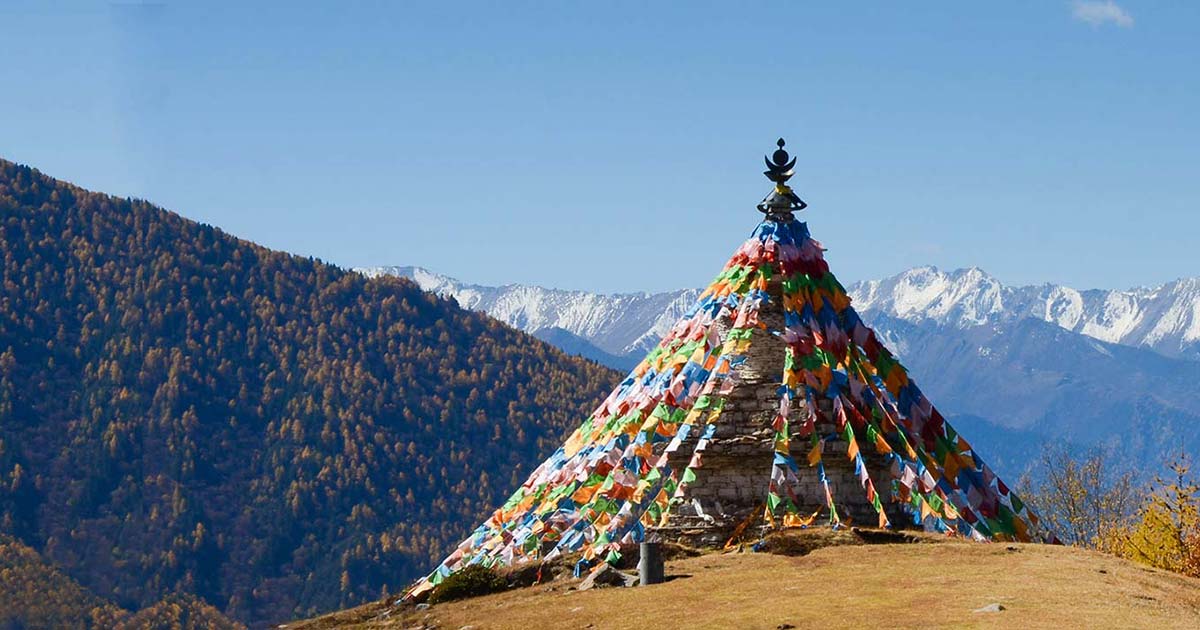
What Holds Tibetan Culture Together
For Tibetans, faith, history, and identity are inseparable. To understand one, you have to understand them all.

6,000
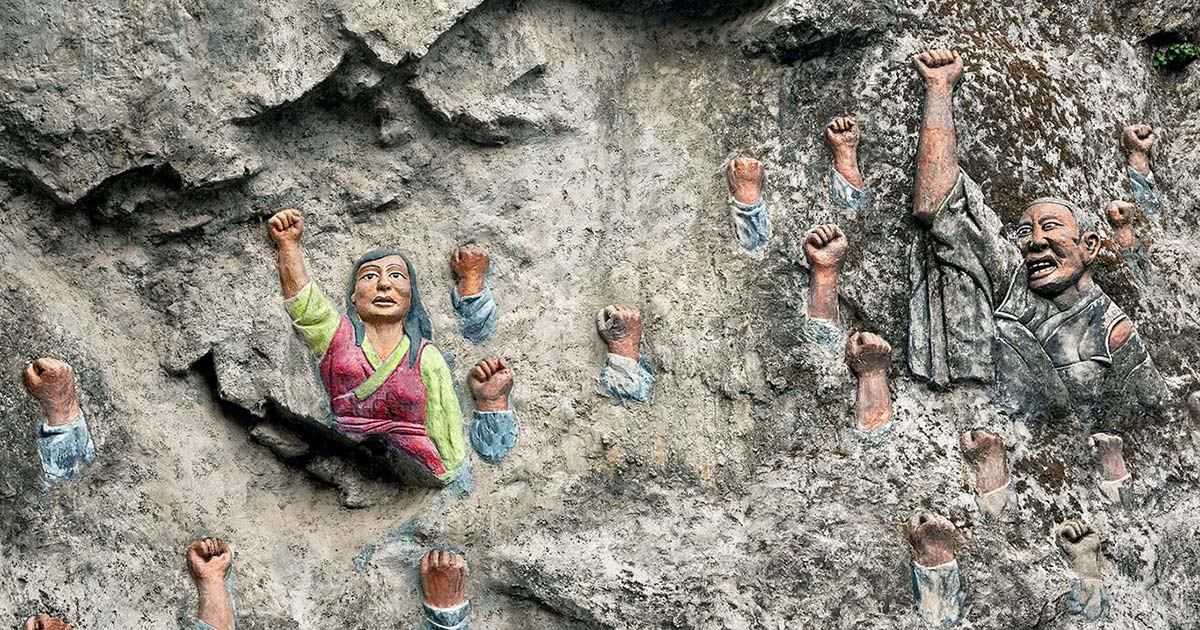
monasteries and temples destroyed during the Cultural Revolution, many since rebuilt by Tibetans themselves
1 mil
Tibetan children estimated to be in Chinese state boarding schools, away from their families and language
Tibet’s History
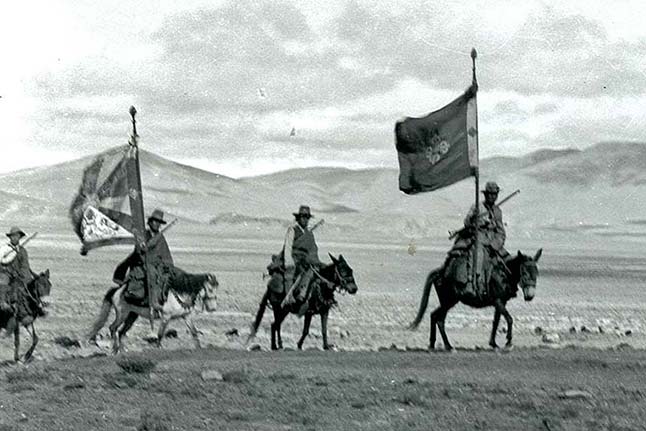
Tibet was once an empire that rivaled China and later a nation governed by the Dalai Lamas. Its history is central to Tibetan identity, and Beijing works hard to rewrite it.
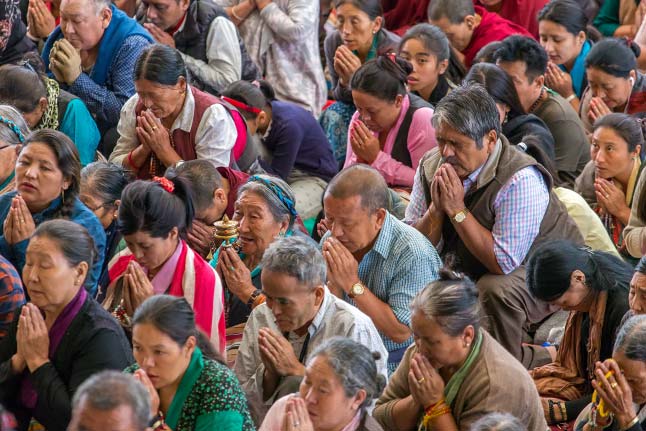
These traditions are woven together
Learn more about Tibetan culture by reading ICT’s reports, attending a Tibetan cultural event in your community, and following news from Tibet. Supporting Tibetan artists, teachers, and organizations helps keep the culture strong.
How ICT helps Tibetan culture endure
Tibetans are the keepers of their culture. ICT’s role to shine a light on what China is doing inside Tibet and galvanize international action to support the brave work of the Tibetans inside Tibet in protecting and preserving their identity.

Document & witness
ICT tracks the demolition of monasteries, the closure of Tibetan-language schools, and the arrest of monks, nuns, and teachers, and publishes what it finds.
Advocate & legislate
ICT works with governments to defend religious freedom in Tibet, including the right of Tibetans alone to choose the next Dalai Lama.
Celebrate & Share
Through the Rowell Fund for Tibet, Tibetan photographers, writers, journalists, and conservationists receive small grants to promote and protect their culture.
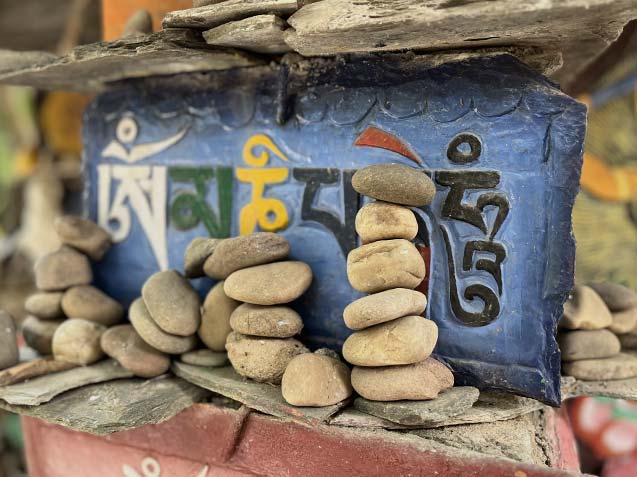
Tibetan culture lives on through the people who carry it
Tibetans are passing their language, faith, and traditions to the next generation, often at great risk. Stay connected to their stories and the work to protect them.