
Key Issue
Religious Suppression
Religious freedom in Tibet is severely repressed, and expressions of devotion to the Dalai Lama are criminalized.
What you need to know
While the Dalai Lama and Tibetan diaspora freely share Tibetan Buddhist teachings worldwide, Tibetans inside Tibet face severe religious repression and Tibetan Buddhism faces a profound threat to its survival. Under Xi Jinping, authorities are intensifying the “Sinicization” of Tibetan Buddhism, subjecting monasteries and monastics to intense surveillance, policing, political indoctrination and Party control.

STATE CONTROL OF CHILDREN’S RELIGIOUS LIFE
Tibetan children are banned from monasteries, religious practice and education, and forced into state-run boarding schools emphasizing education in Mandarin, Chinese national identity, and CCP ideology.
FEAR OF ARREST & TORTURE
Monks and nuns are subjected to political indoctrination and intense surveillance, while Tibetans have been detained and punished for simply possessing an image of the Dalai Lama or sharing religious teachings and observing religious occasions.
THE DALAI LAMA’S SUCCESSION
China is trying to control the Tibetan reincarnation system. Beijing claims authority to determine and approve Tibetan Buddhist reincarnations, including the next Dalai Lama — a claim that the international community must reject.

An ever-growing surveillance state
Tibetan Buddhism focuses on a system of rigorous study that is being severely restricted by Chinese policies. Chinese authorities have subjected monks and nuns to intensive state oversight through surveillance cameras along with “patriotic re-education” campaigns designed to enforce loyalty to the CCP and restrict independent religious life. To ensure total government surveillance of Tibetan monks and nuns, police stations and security offices have been opened inside monasteries, with officials stationed inside religious institutions.
60+
Of the 159 Tibetans who self-immolated inside Tibet and China since 2009, more than 60 were current or former monks or nuns
1+ mil
Tibetan children that have been separated from their families and forced into state-run boarding schools
6k-17k
Estimated number of monks and nuns evicted from the major Tibetan Buddhist institutes Larung Gar and Yachen Gar between 2016 and 2019

State control of Tibetan Buddhism
China has constructed a legal framework for sweeping state control over Tibetan Buddhism. The Measures on the Management of the Reincarnation of Living Buddhas in Tibetan Buddhism (Order No. 5) require government authorization for reincarnated lamas, giving Chinese government authorities a formal role in religious succession and leadership. The Regulations on Religious Affairs and Measures for the Administration of Religious Activity Venues extend that control to religious institutions, requiring them to adapt to socialist society, uphold Communist Party leadership, implement Xi Jinping Thought, and advance the state’s “Sinicization” of religion.
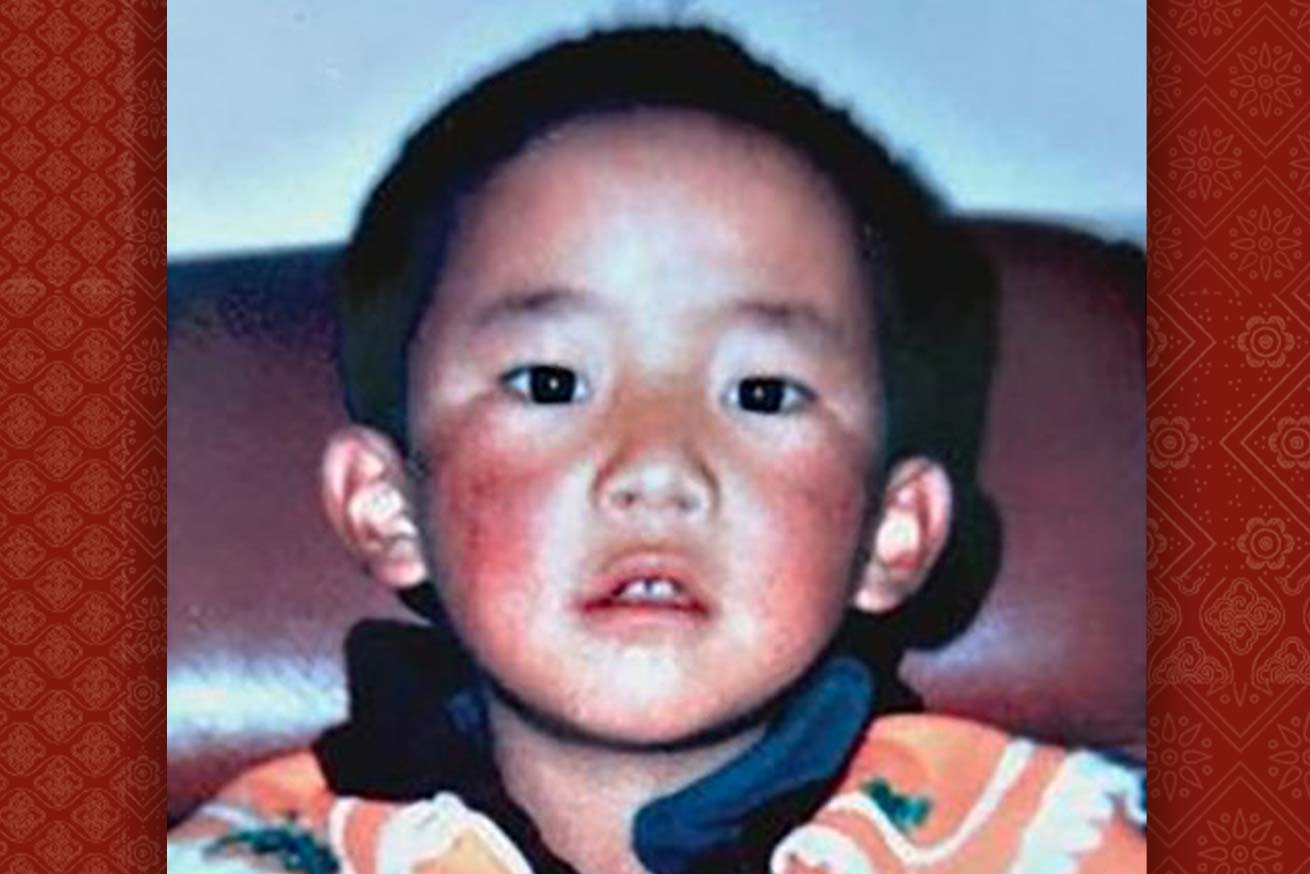
Speak up for the Panchen Lama
Sign our petition to Secretary of State Marco Rubio, calling on him to press the Chinese Communist Party on the Panchen Lama’s release.
Religious Political Prisoners
Gedhun Choekyi Nyima
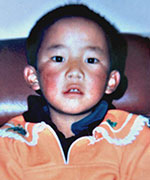
Recognized as the 11th Panchen Lama by the Dalai Lama in 1995, Gedhun Choekyi Nyima was only six years old when he was abducted and disappeared by Chinese authorities shortly thereafter. Thirty-one years later, no independent observer has been allowed to verify his whereabouts or well-being. His enforced disappearance is a clear violation under international human rights law.
Ngawang Sangdrol

Arrested for peaceful protests in 1990 and 1992, Ngawang Sangdrol became known as one of the 14 “Drapchi Singing Nuns,” all of whom had their sentences extended as punishment for secretly recorded songs expressing devotion to the Dalai Lama and hopes for Tibet’s future. She was released in 2002 after 21 years – making her the longest serving female political prisoner in Tibet and China at the time.
Go Sherab Gyatso
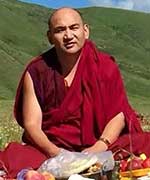
Tibetan Buddhist monk, scholar, and writer Go Sherab Gyatso was detained in 2020 and later sentenced to 10 years in prison for “inciting secession.” His writings addressed Buddhist philosophy, religious education, and abuses of power. International officials and human rights advocates have called for his release amid continuing concerns about his health and treatment in custody.
OUR Impact
- Sustaining the campaign for the Panchen Lama since 1995. For over three decades, ICT has kept Gedhun Choekyi Nyima’s disappearance before governments, Congress, UN mechanisms, and the public — pressing China to reveal his whereabouts and well-being, while defending the Tibetan people’s right to determine their own religious leadership.
- Turning sustained succession advocacy into U.S. law. Following sustained advocacy, the U.S. House passed H.Res.337, affirming that government interference in Tibetan Buddhist reincarnation violates internationally recognized religious freedom. Years of ICT advocacy also helped advance the Tibetan Policy and Support Act in 2020, establishing U.S. policy that Tibetan Buddhists alone determine reincarnations, including the Dalai Lama’s succession, and providing sanctions for Chinese officials who interfere.
- Mobilizing pressure for imprisoned religious figures and keeping religious repression on the international agenda: ICT’s international advocacy helped build pressure for the early release of imprisoned nun Ngawang Sangdrol and continues documenting imprisoned monks, nuns, scholars, and religious leaders –including Go Sherab Gyatso — while bringing evidence of Sinicization, political indoctrination, surveillance, and state interference in Tibetan Buddhism before governments and international human-rights institutions.
- Secured an international resolution defending Tibetan religious freedom in 2025. ICT introduced a resolution adopted by the International Board of the International Federation for Human Rights (FIDH) condemning China’s systemic restrictions on Tibetan Buddhism and interference in religious leadership, including the Dalai Lama’s succession.