Foundational Information
U.S. Legislation & Policies
ICT’s advocacy team works closely with the U.S. Congress and the executive branch to help the Tibetan people.
What you need to know
The United States has a long history of policies and programs that protect Tibetan culture and promote political dialogue between China and the Dalai Lama. Thanks to strong bipartisan support from Congress and persistent advocacy from ICT members, the U.S. has repeatedly passed laws that empower the Tibetan people.

Tibetan Policy Act of 2002
Codifies support for Tibet in US law. Updated and expanded in 2020 by the Tibetan Policy and Support Act.
Congressional Gold Medal
Presented to the Dalai Lama in 2007, it recognizes his lifelong, nonviolent struggle for the human rights of Tibetans.
Resolve Tibet Act
Encourages China to resume Sino-Tibetan dialogue and mandates programs to combat Chinese disinformation.

Continual programmatic support for the Tibetan people
Congress regularly provides programmatic support for the Tibetan people, including humanitarian aid, economic development assistance and the funding of Tibetan-language news services. This vital funding helps to continue the peaceful Tibetan struggle for human rights and democratic freedoms.
$23 M
FY2026 funding secured for Tibet related programs
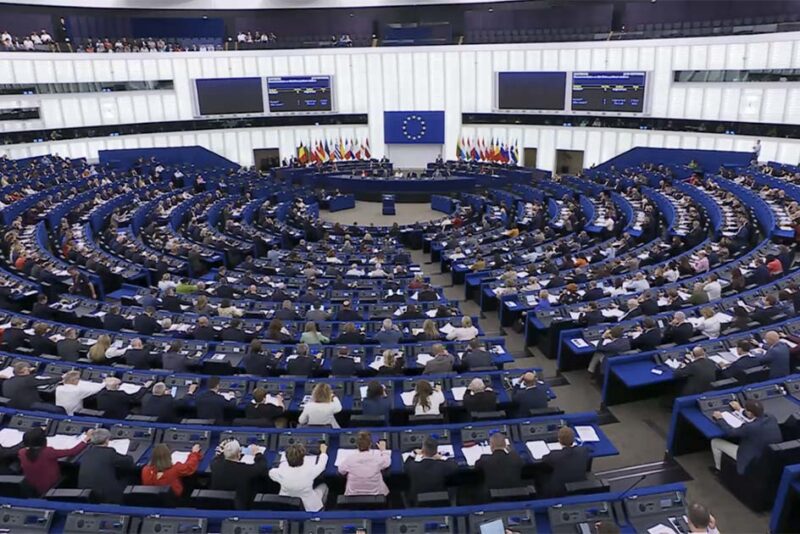
391-26
The overwhelming bi-partisan vote to pass the Resolve Tibet Act in 2024
2002
Tibet Policy Act established a statutory framework for U.S. policy on Tibet

A historic recognition of nonviolence
In 2007, His Holiness the Dalai Lama received the Congressional Gold Medal, Congress’ highest civilian honor. The award recognized his commitment to peace, nonviolence, human rights, and religious understanding, as well as his Middle Way Approach seeking a negotiated resolution to the Tibet-China conflict.

Honor Lobga Rangzen. Urge Congress to Support Pro-Tibet Legislation
Take action by urging your Members of Congress to reject China’s repressive “Ethnic Unity and Progress Law,” and co-sponsor the Assuring the Future of Tibet Act (AFTA) and the Tibet Atrocities Determination Act (TADA) in support of the Tibetan people’s rights and freedoms.

Keeping Tibet a U.S. foreign policy priority
ICT works closely with the State Department’s Special Coordinator for Tibetan Issues, engages policymakers, and brings Tibetan voices directly to Congress through Tibet Lobby Day, launched in 2009. ICT also encourages discussion about Tibet in talks between U.S. and Chinese leaders and works to ensure U.S. legal commitments on Tibet – from foreign assistance and public messaging on Tibet to working with partners to shine a light on China’s human rights abuses – are carried out and sustained.
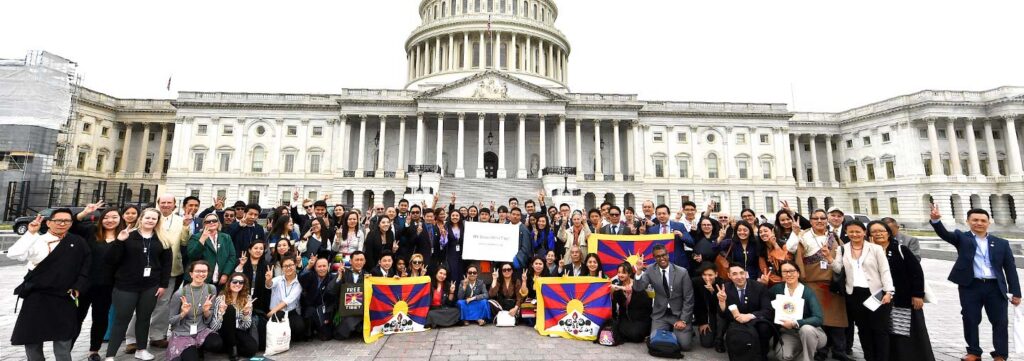
Bringing Tibet to Capitol Hill
Every year ICT coordinates Tibet Lobby Day, which brings hundreds of Tibetan-Americans and Tibet supporters to Washington to meet with the offices of their elected representatives to ask them to support Tibet.
Hundreds of Participants
Including grassroots supporters, ICT members, and representatives of Tibetan communities from across the country.
Dozens of States
Lobby Day participants come from as close as Washington, D.C. and as far as Washington State.
One Voice
By asking Congress to stand up for Tibet, participants ensure that their elected representatives know that Tibet matters to Americans.
Our Impact
- Over nearly 25 years, ICT has helped secure passage of every major piece of U.S. legislation on Tibet, from the Tibetan Policy Act of 2002 to the Reciprocal Access to Tibet Act of 2018, the Tibetan Policy and Support Act of 2020, and the 2024 Resolve Tibet Act.
- ICT’s annual Tibet Lobby Day, launched in 2009, brings Tibetan Americans and Tibet supporters to the U.S. Congress every year to press their Congressional representatives on Tibet-related policies and legislation and push for continued funding for Tibet.
- ICT’s sustained advocacy for Tibet-related appropriations in annual Congressional funding bills ensures continued U.S. assistance of $23 million for Tibetans inside Tibet, Tibetan refugees in India and Nepal, and capacity building for the Tibetan government-in-exile, the Central Tibetan Administration.
- ICT advocacy helped establish and has repeatedly emphasized the importance of the role of U.S. Special Coordinator for Tibetan Issues created through Tibet-related legislation, pressing successive Administrations to fill the post expeditiously and provide adequate funding for the office.
Essential Reading


Common Questions
What laws has the U.S. government passed concerning Tibet?
Over the decades, U.S. legislation has evolved from general statements of support into legally binding policy tools that actively challenge Beijing’s governance of Tibet. Congress has enacted a series of laws addressing Tibet, including the Tibetan Policy Act of 2002, Reciprocal Access to Tibet Act of 2018, Tibetan Policy and Support Act of 2020, and Resolve Tibet Act of 2024. Together, these laws address issues including human rights, religious freedom, access to Tibet, Tibetan cultural preservation, reincarnation and succession, and dialogue between Tibetan and Chinese leaders.
Earlier legislation also created immigration opportunities for Tibetans, including provisions enacted in 1990 that authorized immigrant visas for 1,000 displaced Tibetans.
How do U.S. policies effect the daily life of Tibetans inside Tibet?
U.S. policy cannot directly determine conditions inside Tibet, which remains under Chinese occupation and rule. Instead, U.S. policy seeks to influence conditions through diplomacy, targeted sanctions and visa restrictions, international advocacy, funding, and support for Tibetan cultural and linguistic preservation. U.S. officials also raise Tibetan human rights and religious freedom directly with Chinese officials.
U.S. assistance also supports Tibetan communities and the preservation of Tibetan culture, language, and heritage.
What is ICT’s role in forming U.S. legislation and policies in relation to Tibet?
ICT has played a sustained advocacy role in the development and passage of major U.S. Tibet legislation. Its Washington-based advocacy includes working with Congress and presidential administrations, providing policy expertise, mobilizing constituents, advocating for Tibet-related appropriations, and coordinating Tibet Lobby Day with partner organizations.
Tibet Lobby Day gives Tibetan Americans and supporters an opportunity to engage their elected representatives directly. Previous Lobby Days contributed to advocacy surrounding the Reciprocal Access to Tibet Act, Tibetan Policy and Support Act, and the Resolve Tibet Act.
Is U.S. support for Tibet bipartisan?
Yes. Support for Tibet has long been bipartisan and bicameral, bringing together Democrats and Republicans in both the House and Senate. Across multiple Congresses and presidential administrations, lawmakers from both parties have advanced legislation addressing Tibetan human rights, religious freedom, cultural preservation, access to Tibet, and dialogue between Tibetan and Chinese leaders.
That support has produced major laws including the Tibetan Policy Act, Reciprocal Access to Tibet Act, Tibetan Policy and Support Act, and the Resolve Tibet Act. In 2024, the Resolve Tibet Act demonstrated the breadth of this support, passing its final House vote 391–26 before becoming law.