Key Issue
Human Rights
Tibetans face systematic restrictions on fundamental freedoms under Chinese rule.
Issue-by-Issue: Political Prisoners | Refugees | Racism & Discrimination | Self-Immolations
What you need to know
Chinese authorities subject Tibetans to a pervasive system of political and social control that restricts expression, religion, movement, association, education and access to information. Peaceful dissent or cultural expression can lead to arbitrary detention or imprisonment; in some cases, Tibetans have been subjected to enforced disappearance. Censorship and access restrictions make abuses difficult to document independently.

FREEDOM OF EXPRESSION
Tibetans can be detained for criticizing government policy, sharing information abroad, advocating for Tibetan language or culture, or expressing support for the Dalai Lama.
RELIGIOUS FREEDOM
Authorities tightly control monasteries, religious education, pilgrimages and reincarnation, while expressions of devotion to the Dalai Lama can trigger punishment.
ARBITRARY DETENTION & TORTURE
Tibetans accused of peaceful political, cultural or religious activity may face incommunicado detention, vague national-security charges, denial of due process and credible reports of torture.
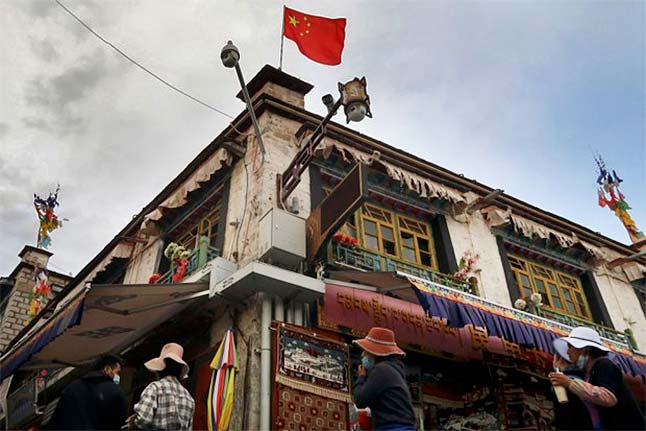
Tibet is one of the least free places in the world
Freedom House gave Tibet its lowest possible overall score, 0 out of 100, in Freedom in the World 2026, reflecting extremely severe restrictions on political rights and civil liberties. Independent monitoring is exceptionally difficult because Chinese authorities tightly control access, information and contact with the outside world.
0/100
Tibet’s score for political rights and civil liberties in Freedom House’s Freedom in the World 2026
~1 million
Tibetan children estimated by UN experts to be studying in state-run residential schools
16
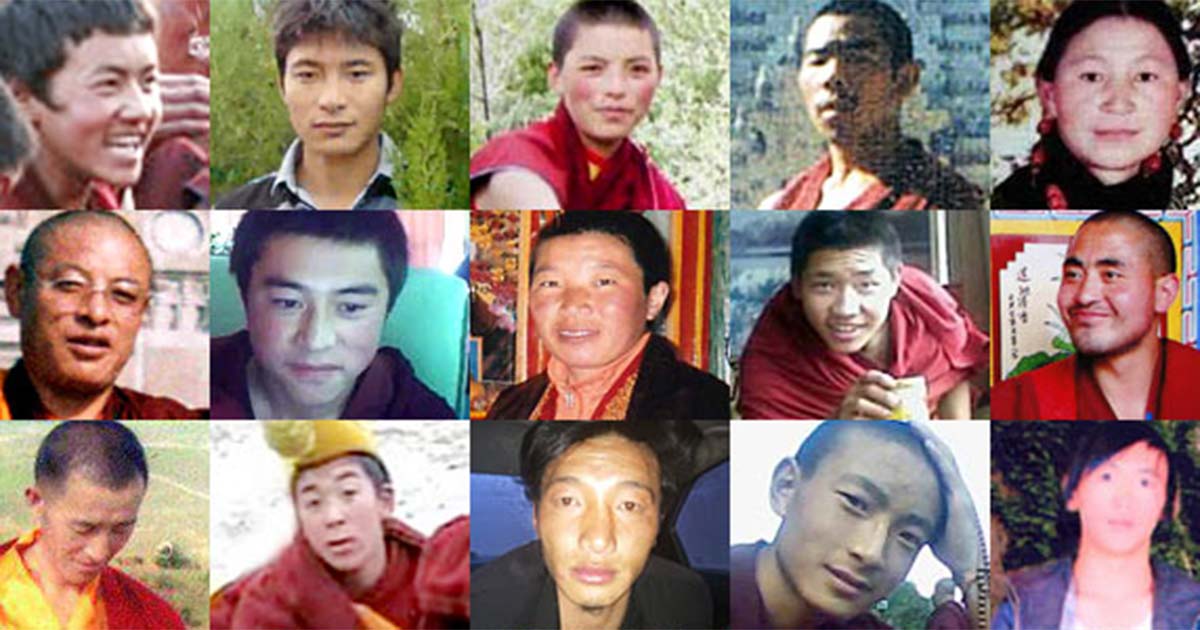
Cases documented by ICT of Tibetans who died in Chinese detention or shortly after release between 2014 and 2026
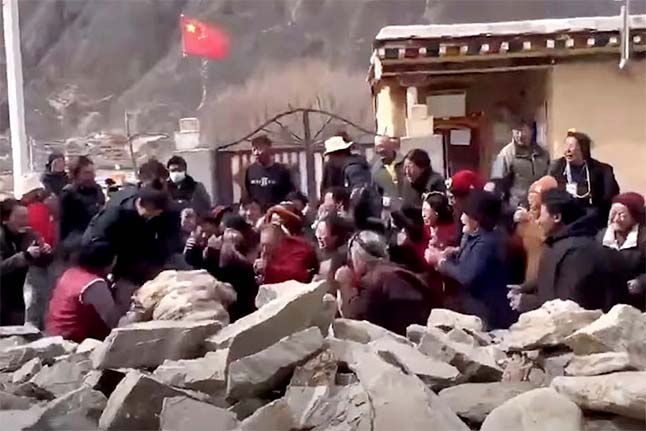
Peaceful protest can lead to mass detention
In February 2024, hundreds of Tibetan monks and villagers were reportedly detained after peacefully protesting a hydropower project in Derge that threatened villages and important cultural and religious sites. UN experts later raised concerns about arrests, alleged beatings, lack of due process and restrictions on freedom of expression and peaceful assembly.
Tibetans’ fundamental rights
China’s legal obligations
China’s Constitution states that citizens enjoy freedoms of speech, press, assembly, association and religious belief and that personal freedom is inviolable. China is also a party to major international human rights treaties, including the Convention against Torture, the International Covenant on Economic, Social and Cultural Rights, the Convention on the Rights of the Child and the International Convention on the Elimination of All Forms of Racial Discrimination. China signed the International Covenant on Civil and Political Rights in 1998 but has not ratified it.
Rights must exist in practice
Tibetans have the right to speak, practice their religion, preserve their language and culture, assemble peacefully, travel, receive an education, access fair legal proceedings and live free from torture and arbitrary detention. International human rights bodies and governments have repeatedly raised concerns that Chinese policies in Tibet fail to protect these rights in practice. Independent access, transparent legal procedures and accountability for abuses are essential to meaningful protection.
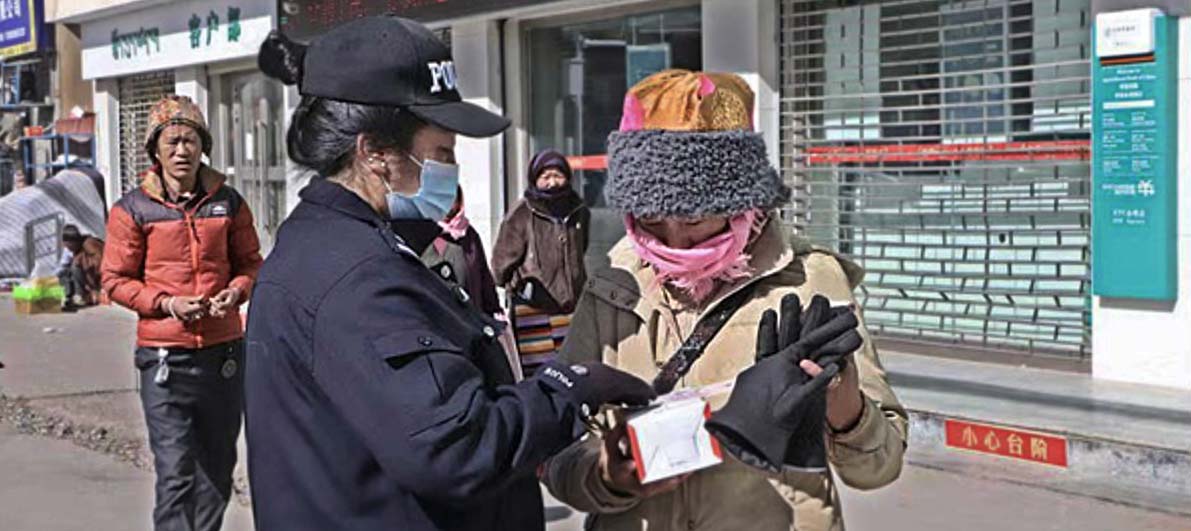
When basic rights become a security issue
Political prisoners & enforced disappearance
Chinese authorities use broad offenses such as “inciting separatism” and other national-security provisions against Tibetans who peacefully express religious, cultural, environmental or political views. Detainees can be held incommunicado, denied timely access to lawyers or family, and subjected to closed proceedings. Cases including monk-scholar Go Sherab Gyatso, businessman Dorjee Tashi and the 11th Panchen Lama illustrate how detention, imprisonment or disappearance can persist for years or decades.
Forced assimilation of children & culture
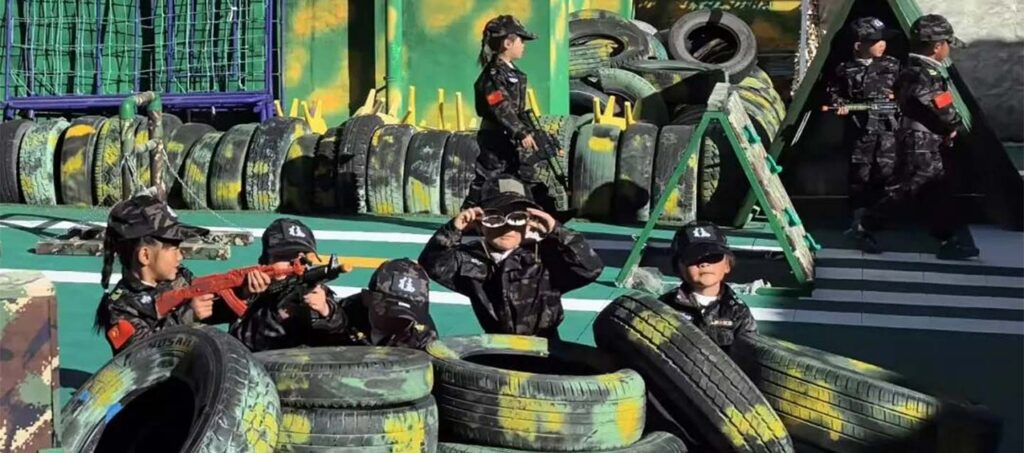
UN experts have estimated that almost one million Tibetan children study in state-run residential schools, many far from their families and communities and educated primarily in Mandarin. Tibetan-language schools and independent cultural-education initiatives have faced increasing restrictions and closure. China’s 2026 Law on Promoting Ethnic Unity and Progress gives priority to Mandarin in education, public life and media and reinforces a state-defined shared Chinese national identity, placing additional pressure on the transmission of Tibetan language, religion and culture.
Surveillance, movement & information control
Authorities combine checkpoints, police presence, video surveillance, phone searches and digital monitoring with restrictions on passports, travel and contact abroad. Human Rights Watch has documented mass police searches of Tibetans’ phones for prohibited content and communications with people outside China. Foreign journalists and diplomats face exceptional access restrictions, increasing the risks for Tibetans who communicate with the outside world and making independent verification of abuses difficult.
Our Impact
- Documenting abuses since 1988: ICT investigates and reports on political imprisonment, torture, enforced disappearance, religious repression, surveillance and forced assimilation. Its 2026 report Justice Denied documented at least 16 Tibetans who died in detention or shortly after release between 2014 and 2026.
- Advocating for Tibetan political prisoners: ICT raises priority cases including Go Sherab Gyatso and Dorjee Tashi with governments and international institutions, calling for their release and raising concerns about due process, health, and access to family or lawyers. ICT also supported international advocacy for Ngawang Sangdrol and ethnomusicologist Ngawang Choephel, both released in 2002 after years of imprisonment.
- Bringing Tibet before the United Nations: ICT regularly raises Tibetan human rights concerns at UN mechanisms. In 2023, a joint ICT-Loyola Law School submission preceded a UN committee call to end coerced boarding schools and non-voluntary resettlement; in 2026, ICT highlighted children’s rights, enforced disappearances and arbitrary detention at the Human Rights Council.
- Turning human rights concerns into policy: ICT has helped build bipartisan support for landmark U.S. Tibet legislation, including the Tibetan Policy Act, Reciprocal Access to Tibet Act, Tibetan Policy and Support Act and Resolve Tibet Act, strengthening U.S. policy on Tibetan identity, access, religious freedom and a negotiated resolution of the Tibet-China dispute.
Essential Reading
Common Questions
What human rights are restricted in Tibet?
Tibetans face severe restrictions on a wide range of fundamental rights, including freedom of expression, religion, peaceful assembly, association, movement and access to information. Authorities also restrict Tibetan-language education and cultural activity, while political participation and independent civil society remain extremely limited. Peaceful conduct that would ordinarily fall within protected religious, cultural or political expression can be treated as a threat to state security.
These restrictions are enforced through a combination of law, policing, surveillance, censorship and political controls over institutions such as monasteries, schools and local government. The result is a system in which exercising basic rights can carry serious personal consequences.
Why are Tibetans imprisoned or forcibly disappeared?
Tibetans have been detained for activities including peaceful protest, advocating for Tibetan-language education, criticizing government policies, communicating information abroad, environmental activism, religious activity and expressions of support for the Dalai Lama. Authorities frequently rely on broad offenses such as “inciting separatism,” other national-security provisions, or public-order offenses.
Politically sensitive detainees may be held incommunicado, denied timely access to lawyers or relatives, tried in closed proceedings or subjected to prolonged surveillance after release. UN experts and human rights organizations have repeatedly raised concerns about arbitrary detention, enforced disappearance, torture and ill-treatment involving Tibetan cases.
Why is it so difficult to know what is happening inside Tibet?
Chinese authorities tightly restrict independent access to Tibetan areas, particularly the Tibet Autonomous Region. Foreign journalists must obtain special permission to enter the region, diplomats face significant limits on official visits, and travelers who do gain access may be closely monitored. Authorities also restrict Tibetans’ communications with people abroad and have punished individuals for sharing information.
Inside Tibet, censorship, surveillance and phone inspections make reporting abuses dangerous. These restrictions mean that many arrests, deaths in custody, protests and other human rights violations become known only after delays—or may never be independently documented at all.
Does Chinese law protect these rights?
On paper, yes. China’s Constitution protects freedoms including speech, press, assembly, association, religious belief and personal liberty. China has also ratified international treaties prohibiting torture and protecting economic, social, cultural, children’s and racial-equality rights. It has signed, but not ratified, the International Covenant on Civil and Political Rights.
The central human rights concern is the gap between these formal protections and their implementation in Tibet. National-security laws, political directives and administrative controls are used to restrict conduct that UN bodies and other human rights authorities have treated as protected expression, religion, association and cultural activity, while limited transparency and judicial independence make accountability for abuses difficult.