Key Issue
Political Prisoners
In Tibet, China turns peaceful expressions of identity, faith and dissent into grounds for detention, disappearance and imprisonment.
What you need to know
Chinese authorities imprison Tibetans for peacefully defending their language, religion, culture, environment and fundamental freedoms. Detainees face torture, secret trials, arbitrary detention, forced disappearances, and denial of medical care and visits by family and lawyers. Because Beijing blocks independent access and withholds official records, the full number and condition of Tibetan political prisoners remain unknown, but according to the Tibetan Center for Human Rights and Democracy, there have been more than 5,000 Tibetan political prisoners since the 1990s.

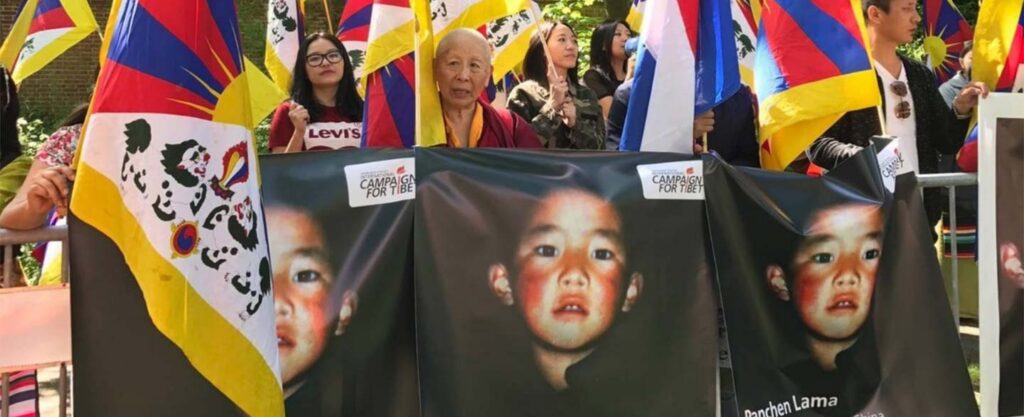
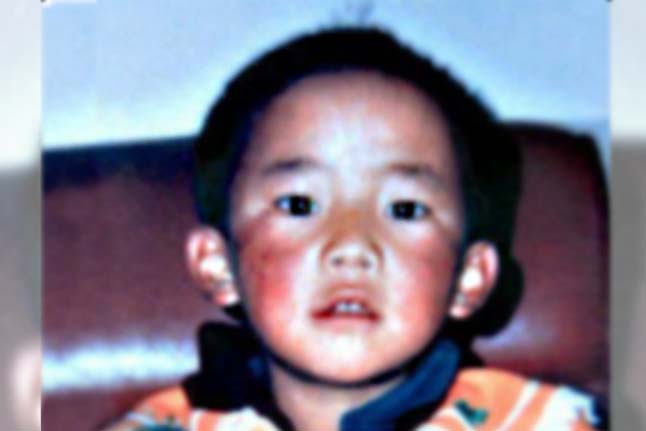
11th PANCHEN LAMA
Gedhun Choekyi Nyima, recognized by the Dalai Lama as the 11th Panchen Lama, was abducted by Chinese authorities in 1995, when he was just six.
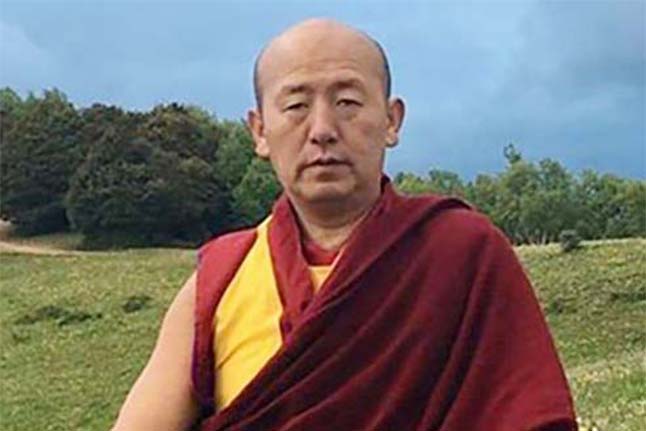
GO SHERAB GYATSO
A prominent Tibetan writer, monk, and outspoken public intellectual, who was arrested in 2020 and sentenced to 10 years in prison for the politically-motivated charge of “inciting secession”.
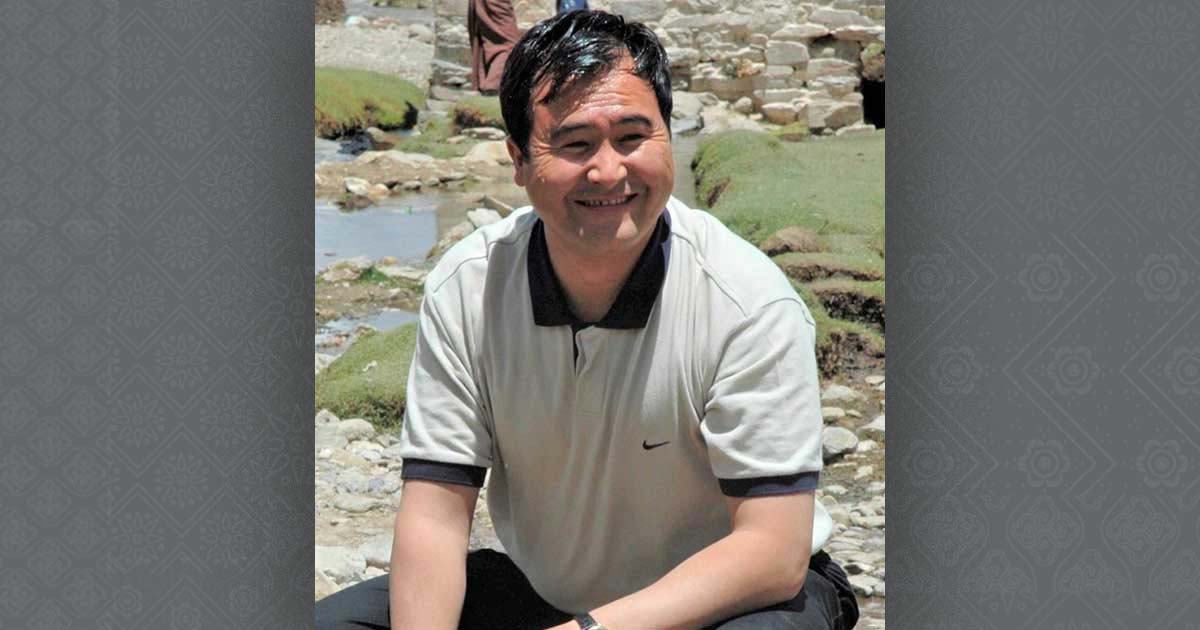
DORJEE TASHI
A Tibetan businessman who was initially accused of supporting the 2008 protests and later convicted on a spurious charge of “loan fraud” and sentenced to life in prison.
Violation of Chinese and International Law
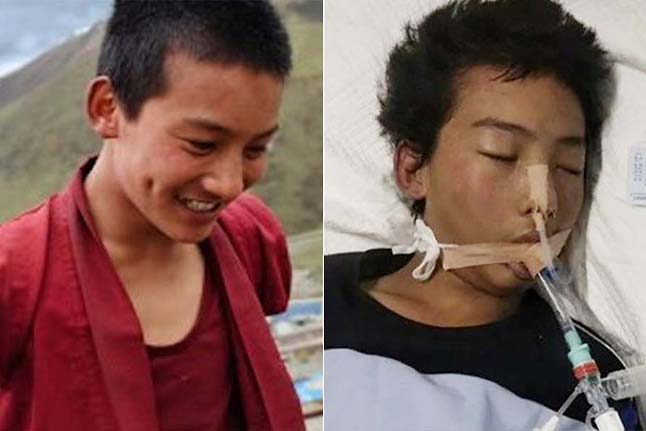
Tibetan detainees have reported beatings, electric shocks, sexual violence, sleep deprivation and prolonged isolation. China’s Criminal Procedure Law prohibits extracting confessions through torture, while its Criminal Law makes such conduct by judicial officers a crime. These abuses also violate the UN Convention against Torture, which China ratified in 1988.
5,000+
Tibetan political-prisoner detentions since 1990, as documented by TCHRD
31 yrs
Since the enforced disappearance of the 11th Panchen Lama, Gedhun Choekyi Nyima, as of 2026
0/100
Tibet’s global freedom score in Freedom House’s 2026 assessment of political rights and civil liberties
International campaigns and advocacy for Tibetan Political Prisoners
ICT documents individual cases, investigates and exposes patterns of abuse, and brings credible evidence before governments, parliaments and United Nations bodies. Through sustained advocacy and public campaigns, ICT mobilizes international action on behalf of Tibetan political prisoners, including the 11th Panchen Lama. ICT-led campaigns contributed to the releases of Ngawang Sangdrol and Ngawang Choephel. ICT continues to press for the release of all Tibetan political prisoners, access to lawyers and medical care, the right to due process, accountability for torture and an end to enforced disappearance and politically motivated detention.
The people behind the statistics
MONKS, NUNS & RELIGIOUS LEADERS
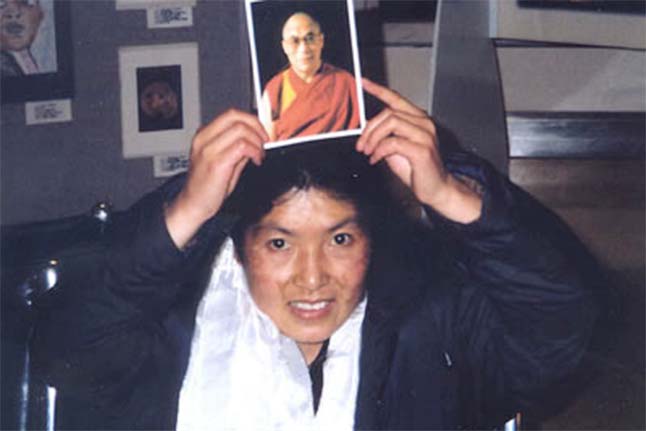
Chinese authorities target religious leaders, monks, and nuns for possessing images of the Dalai Lama, sharing religious teachings, resisting political indoctrination, promoting Tibetan language, or defending the independence of Tibetan Buddhist institutions. Monasteries operate under pervasive surveillance, while religious expression can be recast as “separatism.”
WRITERS, EDUCATORS & ARTISTS
Writers, singers, teachers and language advocates have been detained for work affirming Tibetan history, identity and culture. Authorities use sweeping offenses and accusations — including “inciting separatism,” “leaking state secrets,” “picking quarrels and provoking trouble,” “endangering state security,” “harming ethnic unity” and “disturbing social order” — to criminalize peaceful speech, online commentary, songs, cultural expression and Tibetan-language advocacy.
ENVIRONMENTAL ACTIVISTS & COMMUNITY ADVOCATES
Tibetans who challenge mining, dam construction, corruption, land seizures or forced relocation risk detention and imprisonment. By silencing local advocates, Beijing excludes Tibetan communities from decisions affecting their ancestral lands, livelihoods, sacred sites and natural resources.
A culture of fear and self-censorship
Chinese authorities treat a broad range of activities as criminal, which could include sharing information abroad, organizing cultural initiatives, criticizing officials, protecting the Tibetan language or calling for the Dalai Lama’s return. The result is not only the imprisonment of individuals. Pervasive surveillance, arbitrary detention and reprisals against relatives foster fear and self-censorship in their conversations, writing, art, religious practice and online activity.
Lack of access and transparency
Tibet’s near-total closure to independent journalists, diplomats and human rights monitors makes political persecution exceptionally difficult to document. Families may receive no timely notice of an arrest, while detainees can be held incommunicado, denied independent legal counsel or tried without meaningful public scrutiny.
Abuse during and after detention
Former prisoners may return home with serious injuries, chronic illness or psychological trauma after torture, sleep deprivation and inadequate medical care. Even after their release, authorities continue to restrict their movement, communications, employment and religious life. ICT’s 2026 Justice Denied report documented at least 16 Tibetans who died in custody or shortly after release.
OUR Impact
- ICT maintains a public record of priority Tibetan political prisoners and advocates for those cases in Congress, the European Parliament and the United Nations, among them the 11th Panchen Lama, Gedhun Choekyi Nyima, who Chinese authorities abducted at age six in 1995.
- ICT’s 2026 report “Justice Denied: The Pattern of Deaths in and after Custody in Tibet” documented the cases of 16 Tibetans who died as a result of torture in Chinese custody and called on the international community to hold China accountable for its systematic use of torture against Tibetans.
- ICT routinely meets with former political prisoners and their families and has helped to arrange opportunities for them to testify about China’s abusive treatment in front of Congressional committees and commissions.
Essential Reading
Common Questions
What is a political prisoner?
A political prisoner is someone detained or imprisoned because of their beliefs, identity, peaceful expression or nonviolent exercise of internationally-recognized human rights. In Tibet, people may be targeted for religious practice, cultural advocacy, environmental activism, criticism of government policy or expressions of support for the Dalai Lama. Chinese authorities rarely acknowledge that a case is political. Instead, they use criminal or national-security charges to prosecute conduct protected under international human rights law.
How many Tibetan political prisoners are there?
No reliable current total exists. China does not publish transparent data, and restrictions on access, communication and reporting prevent independent verification. Some detentions remain unknown for months or years, while the fate of disappeared Tibetans may never be disclosed.
From 1990-2023, TCHRD had documented 5,616 Tibetan political-prisoner detentions, but many of those individuals had been released. Earlier estimates from the U.S. State Department and other outside sources have placed the number known or believed to be in custody between 500 and 2,000; these figures should not be presented as a verified current total.
What can governments and international institutions do?
Governments should raise political prisoner cases in every relevant engagement with Chinese officials, demand prisoner access and release, and seek independent investigations into torture, deaths and disappearances. They should also coordinate through the United Nations and impose appropriate consequences on officials responsible for serious abuses.
Sustained attention matters. Public advocacy can protect prisoners from being forgotten, strengthen their families’ demands for justice and increase the political cost of repression.