Key Issue
Self-Immolations
Tibetan self-immolations protest decades of systematic repression on fundamental freedoms.
What you need to know
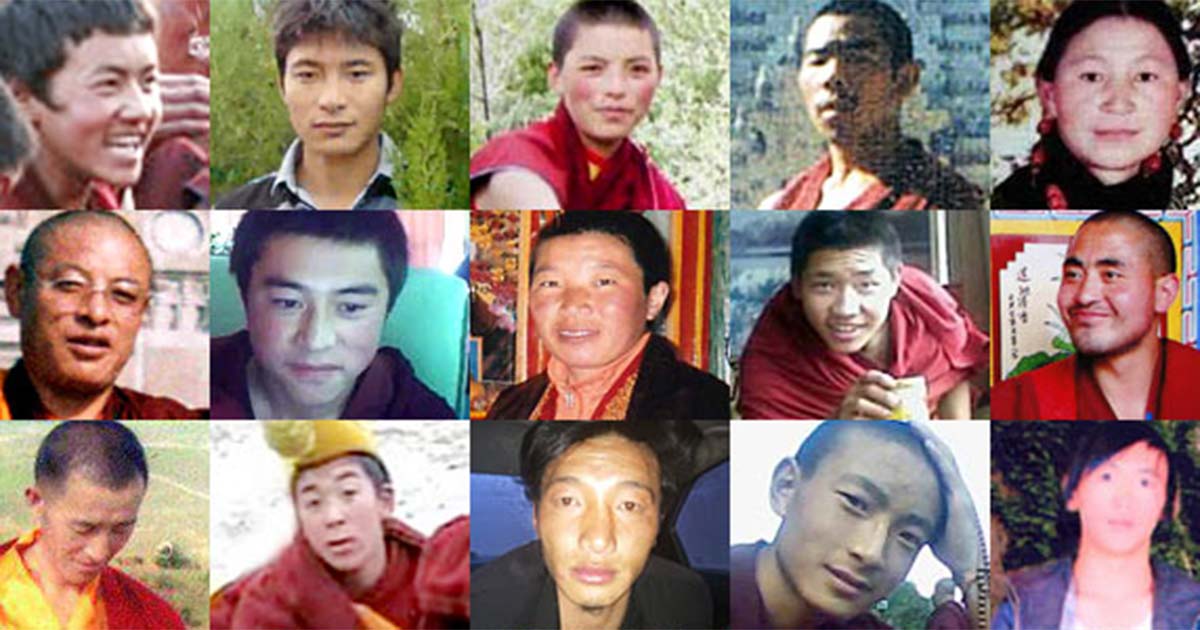
More than 170 Tibetans have self-immolated in protest, including 159 in Tibet and China — the overwhelming majority after the massive wave of protests in Tibet in 2008 and ensuing crackdown. Their recurring cries have called for His Holiness the Dalai Lama’s return, freedom in Tibet, and an end to China’s repression and restrictions on Tibetan religion, culture, and identity.

POLITICAL REPRESSION
Tibetan self-immolations have emerged amid severe restrictions on political expression, peaceful dissent, movement, and other fundamental freedoms.
RELIGIOUS REPRESSION
Extensive state control over Tibetan Buddhism, monasteries, religious education and practice has been a persistent source of grievance and protest.
EROSION OF TIBETAN IDENTITY
Policies that marginalize Tibetan language, education, and cultural expression have intensified fears over the survival of Tibet’s distinct identity.
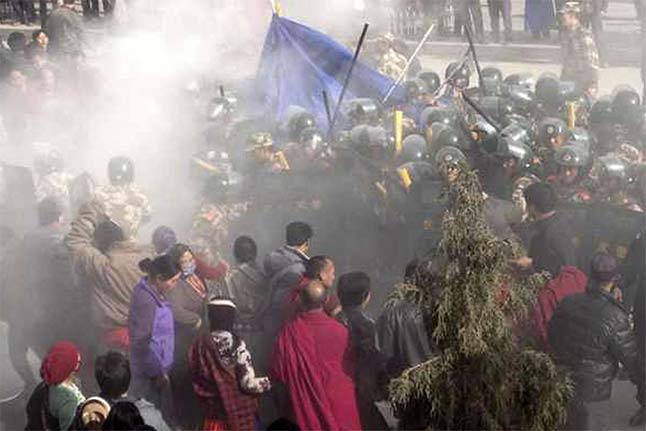
Self-immolation as an act of non-violent protest
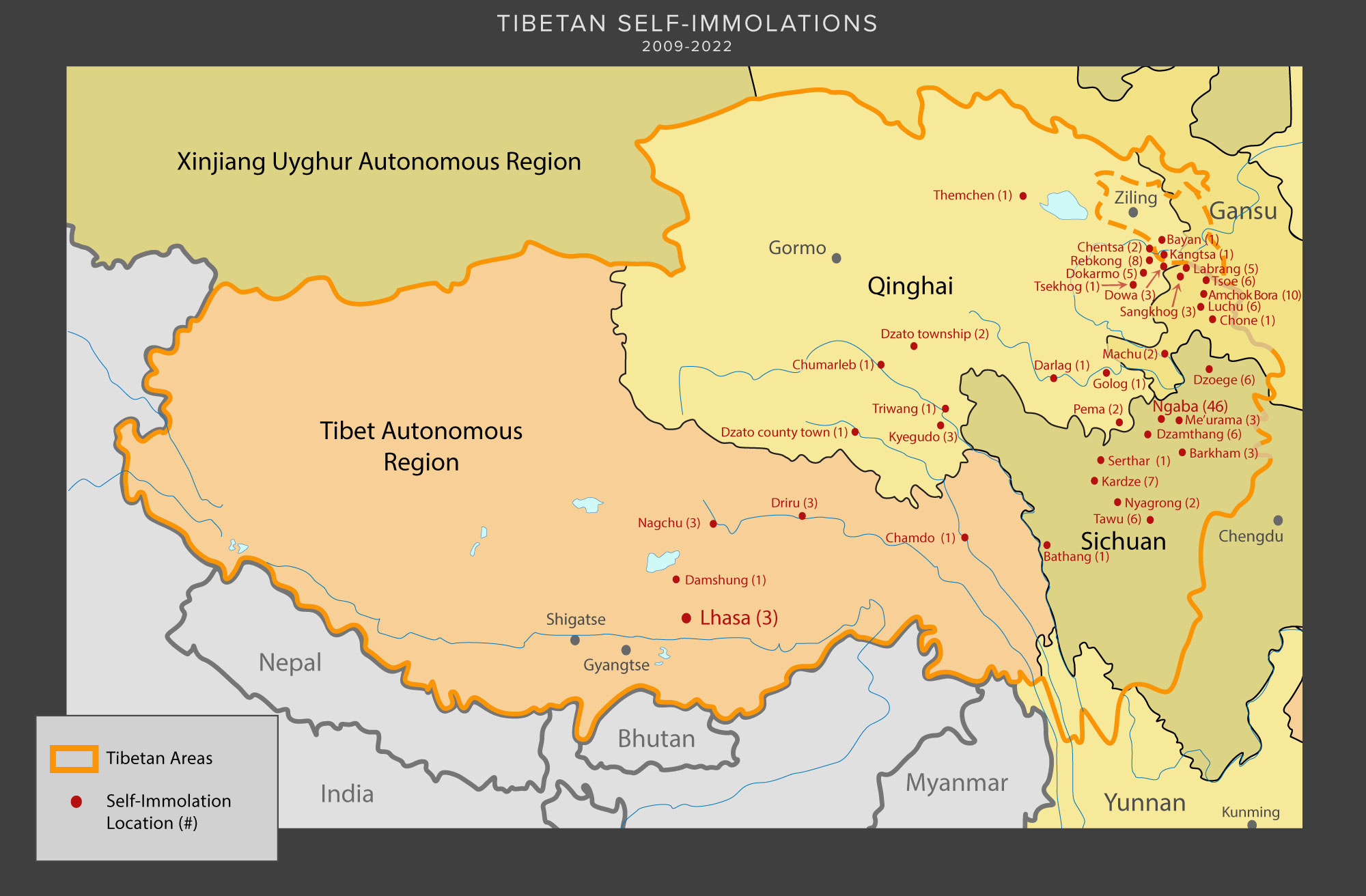
Tibetan monks, nuns, and laypeople have used self-immolation as a form of political protest, choosing to harm themselves rather than their oppressors. Of the 159 known cases of Tibetans who self-immolated inside Tibet, 127 are known to have died. China’s restrictions on access have prevented independent investigation by foreign journalists or a complete record of all self-immolations.
170+
Tibetans have self-immolated in protest against Chinese rule in Tibet
159
Known cases of Tibetans inside Tibet and China who have self-immolated
11
Self-immolations by Tibetans have occurred in exile – in India, Nepal, and the U.S.
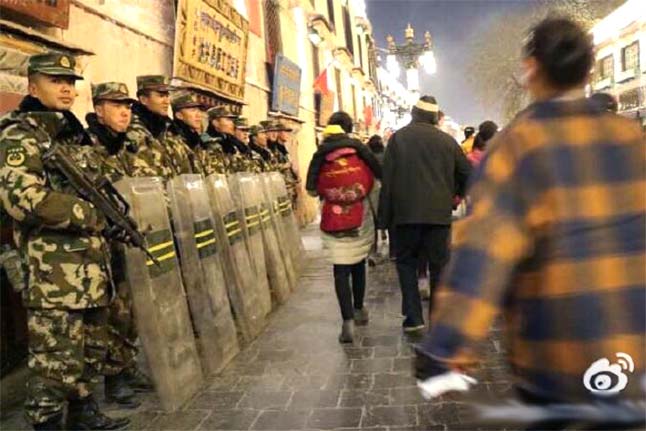
China imposes collective punishment over Tibetan protests
Chinese authorities have responded to Tibetan self-immolation protests by punishing families, friends and relatives of the protestors. Tibetans have faced detention and imprisonment for allegedly assisting protesters, mourning the dead, supporting their families, or expressing sympathy, while their communities have faced broader penalties targeting public benefits and government assistance.
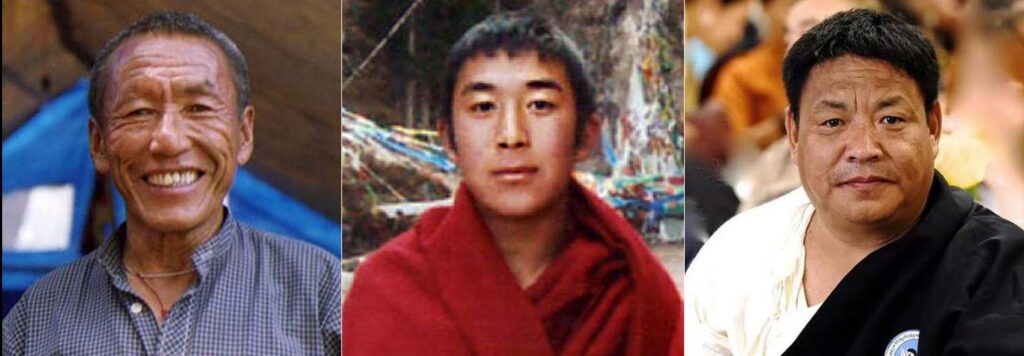
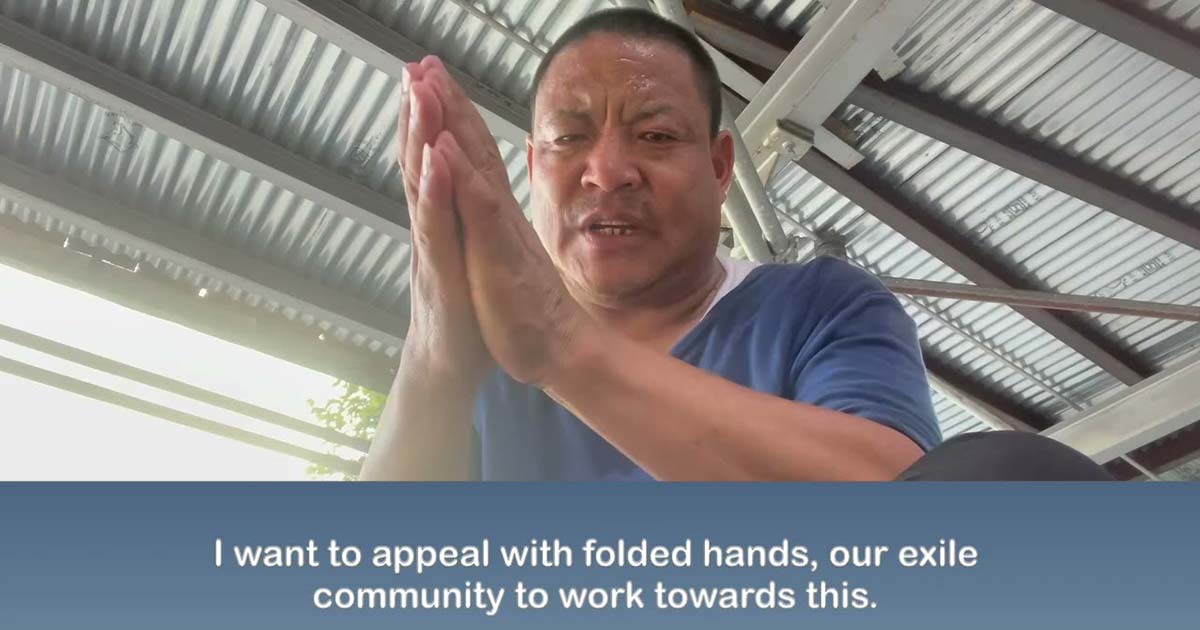
“The Chinese Communists have persecuted all of us, Tibetans, irrespective of whether we belong to Dotoe, Domed or Utsang province (the three traditional provinces of Tibet). We are all Tibetans. Therefore, we should work together for the Tibetan nation; we should work for the people of Tibet.”
Lobga Rangzen, who self-immolated outside the UN Headquarters in New York on July 2, 2026
Protestors from all walks of life
Monks, nuns & religious figures
Monastics were central to the early wave of protests. Thubten Ngodrup, whose 1998 protest in Delhi was the first recorded Tibetan self-immolation, had previously been a monk. In 2009, Kirti monk Tapey became the first Tibetan to self-immolate inside Tibet. At least 25 monks or former monks from Kirti Monastery alone, as well as two nuns from Mame Dechen Chokorling, later self-immolated.
Young Tibetans
At least 26 self-immolators were 18 or younger. The youngest documented case was Dorjee, a 15-year-old monk from Ngoshul Monastery, who died in 2012 after protesting alongside two 16-year-old monks; they called for freedom in Tibet and the Dalai Lama’s return. In exile, 16-year-old student Dorjee Tsering self-immolated in Dehradun in 2016, later calling for freedom for Tibet and the long life of His Holiness.
Tibetans across society
The protests extended far beyond monasteries. Self-immolators included farmers, nomads, parents, students, writers, and artists. Writer Gudrub, 43, called for freedom in Tibet and the Dalai Lama’s return in 2012; farmer and father Dorjee Lhundrup died that same year; and farmers and nomads such as Tsesung Kyab also protested. In 2022, 25-year-old singer and Tibet University graduate Tsewang Norbu reportedly self-immolated near the Potala Palace, demonstrating how the protests had reached Tibetans with very different lives and backgrounds.
OUR Impact
- ICT maintains the most comprehensive public record of Tibetan self-immolations, documenting over 159 cases in Tibet and 11 cases outside Tibet and supplying the verified information relied on by journalists, governments and multilateral bodies.
- ICT’s April 2015 “Tibet 101” testimony to the Tom Lantos Human Rights Commission placed the self-immolations and China’s abuse of its criminal justice system against Tibetans before Congress, with concrete recommendations for U.S. policies to support Tibetans.
- ICT’s landmark Acts of Significant Evil report in 2014 documented 98 Tibetans subjected to detention, disappearance, imprisonment, or other punishment because of alleged connections to self-immolations, exposing how Chinese authorities extended repression to families, friends, and entire communities.
- ICT raised the self-immolations directly at the UN Human Rights Council, including a June 2012 statement to the Special Rapporteurs on freedom of expression and on extrajudicial, summary or arbitrary executions, delivered alongside ICT’s report on cultural genocide in Tibet.
Essential Reading
Common Questions
What is a self-immolation, and when did this wave of protests begin?
Self-immolation is the act of setting oneself on fire as an extreme form of political protest. The first recorded Tibetan political self-immolation was by former monk Thubten Ngodrup in New Delhi, India in 1998. The wave inside Tibet began in February 2009, when Kirti monk Tapey self-immolated in Ngaba following the widespread 2008 protests and subsequent crackdown. It escalated sharply from March 2011, with 158 of the 159 documented self-immolations in Tibet and China occurring since then.
The latest known case occurred on July 2, 2026, when 52-year-old Tibetan activist Lobga Rangzen (Lobsang Palden) self-immolated outside the United Nations headquarters in New York — the first known Tibetan self-immolation on U.S. soil. In his final message recorded before his protest, he spoke about restrictions on Tibetan identity, language and religion and called on Tibetans to unite. His death brought the documented total to more than 170 Tibetan self-immolations in Tibet and exile.
What are the primary demands of the protesters?
Based on eyewitness reports, written notes, and audio recordings left behind, the most consistent calls have been for His Holiness the Dalai Lama’s return to Tibet and greater freedom for Tibetans. Protesters have also called for religious freedom, protection of Tibetan language and culture, Tibetan unity, the release of the Panchen Lama and other political prisoners, and an end to repressive government policies. Although individual demands differ, the protests consistently reflect opposition to Chinese government policies affecting Tibetans’ fundamental freedoms and identity.
How did the Chinese government and the Dalai Lama react to these acts?
Chinese authorities have portrayed the self-immolations as politically motivated acts encouraged by the “Dalai clique” and other alleged separatist forces. Rather than addressing the grievances expressed by protesters, authorities intensified security, restricted information, and prosecuted Tibetans accused of encouraging or assisting self-immolations. Relatives, friends, monks, and community members have also faced detention, imprisonment, surveillance, and collective punishment.
His Holiness the Dalai Lama has consistently expressed deep sadness over the loss of life but has questioned whether it was an effective form of protest. He has stated that he has not encouraged the acts, while noting that protesters directed violence toward themselves rather than others. Instead, he has called on Chinese authorities to conduct an objective investigation into why Tibetans were resorting to self-immolation and to address the underlying causes. His broader position has continued to emphasize nonviolence, dialogue, and a peaceful resolution of the Tibet issue.
Why is it so difficult for international media to cover these events?
The Chinese government maintains exceptionally tight control over information from the Tibetan plateau. Foreign journalists cannot freely report from Tibet, while pervasive surveillance, internet censorship, communications restrictions, and the risks faced by Tibetans who share sensitive information make independent reporting and verification extremely difficult.
In FRONTLINE’s 2025 documentary Battle for Tibet, a Han Chinese resident in Tibet who was interviewed claimed that two Tibetans had self-immolated “recently.” No corresponding cases appear in the publicly documented record. The account cannot be independently verified, but it illustrates a fundamental challenge: under such severe restrictions on media, communications, and access, even a self-immolation may occur without reliable information reaching the outside world.