Analysis | November 4, 2026
Chinese government continues to close Tibetan language schools and promote forced assimilation in Tibet


Under the administration of President Xi Jinping, the Chinese Communist Party (CCP) has engineered a systematic overhaul of education policy across the Tibetan plateau, phasing out the space for community-based bilingual education to state-controlled Mandarin-medium instruction. This institutional shift represents a coordinated strategy of coercive cultural assimilation designed to homogenize Tibetan youth. By systematically dismantling independent, community-funded, and monastic-affiliated educational institutions, Chinese state authorities continue to strip Tibetan communities of their linguistic, cultural, and economic self-reliance. Tibetan knowledge systems and community-anchored programs are being replaced by state-curricula engineered to supplant Tibetan identity with a state-mandated Chinese national consciousness.
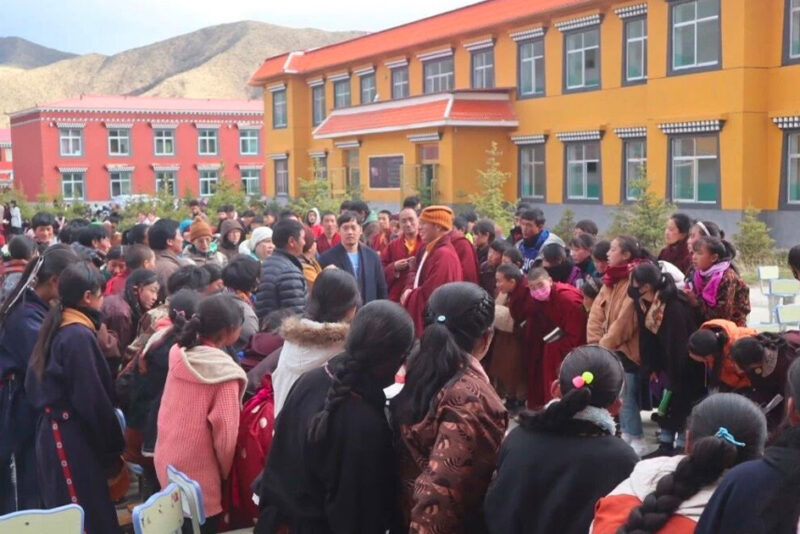
Following the broader trend of closing private schools and transferring young people into state boarding schools for state-mandated education, Chinese authorities closed three private schools in Golog (Guoluo) Tibetan Autonomous Prefecture, Qinghai between August and September 2026. By dismantling these schools, which served especially vulnerable communities, the Chinese state destroyed crucial local social safety nets and networks that transmitted the Tibetan language to younger generations. The impacted schools were:
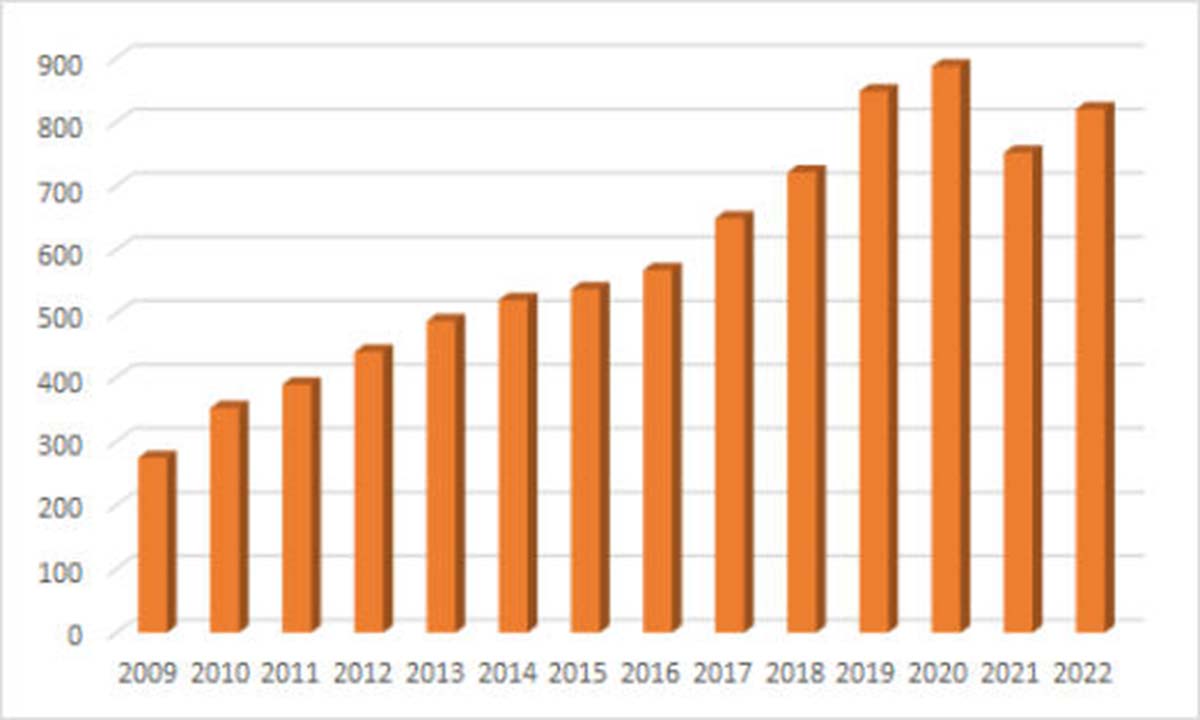
- Ragya Grassland Girls’ School (Prairie Talent Girls’ School): Established in November 2004 and formally opened in October 2005 by monk and educator Jigme Gyaltsen, this school addressed structural gender inequities in Tibetan pastoral regions under the guiding philosophy that “girls’ education is mothers’ education, which is the fundamental education for human beings.” Enrolling approximately 800 pastoral girls supported by 100 staff, the school provided instruction in Tibetan language, thangka painting, medicine, astrology, and modern sciences. On August 27, 2026, authorities ordered the school’s complete shutdown.
- Tadra Orphan School: Founded in 2005 in Tawo (Dawu), Machen (Maqin) County, by the late Dr. Lobsang Palden Tawo and his Germany-based wife, this facility functioned as both a residential home and school for over 300 orphans and children from destitute or broken households.
The 12th batch of students graduated in June 2026. With the school’s operation shut down during the summer, the 13th batch of students (1st to 9th grades) were transferred to state-run residential schools while some vocational training students and around six staff members still reside at the facility. Appeals are being made to the Golog authorities to allow the transferred students to return to the facility during weekend and winter breaks, according to the India-based Voice of Tibet.
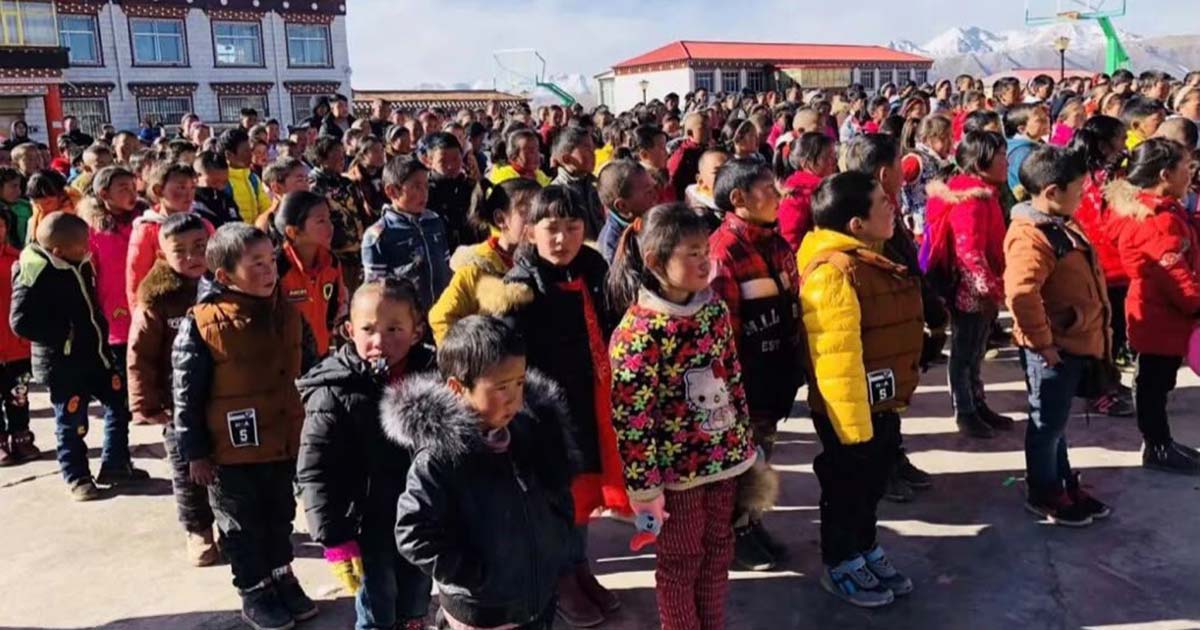
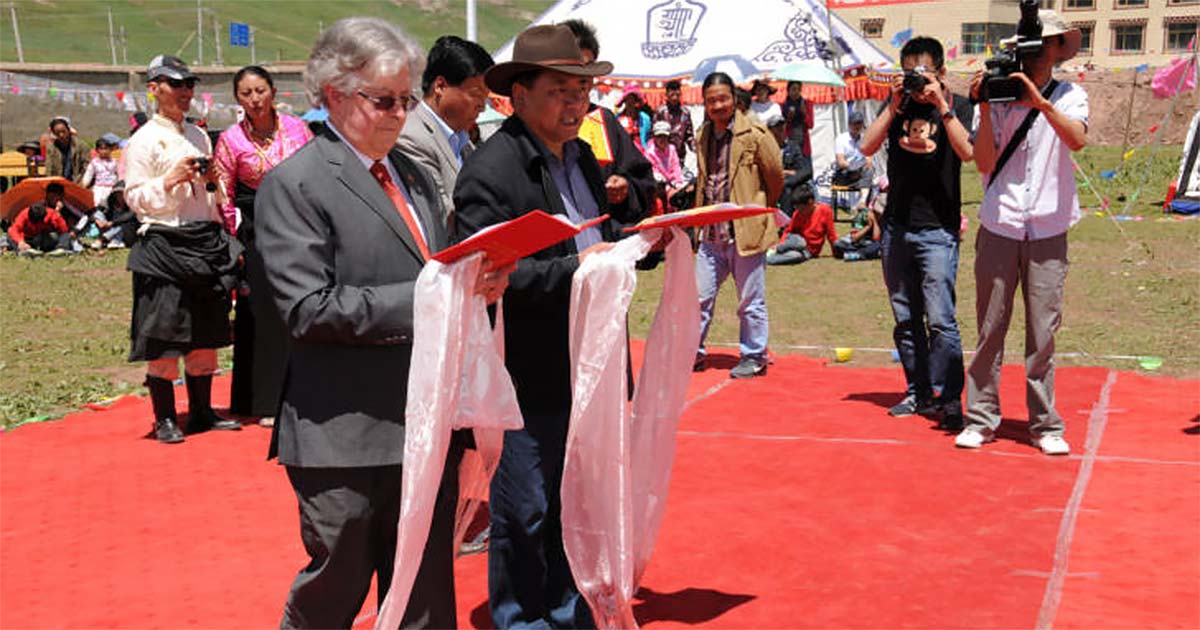
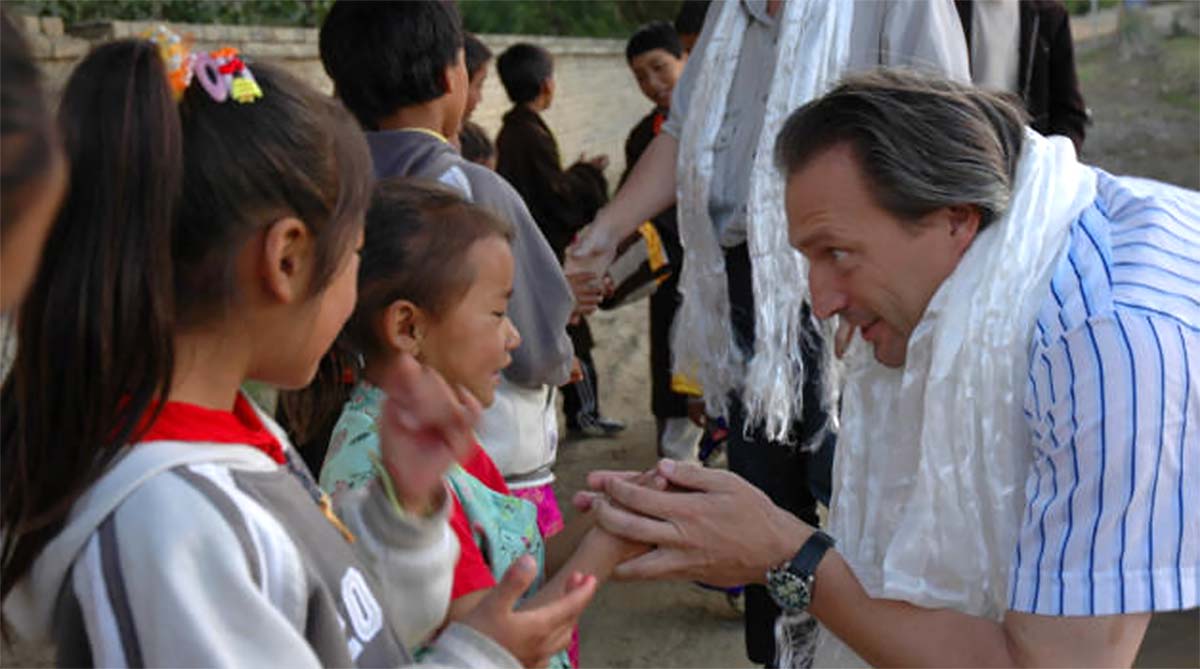
- Jasag Village School: The closure of the Jasag Village School (officially renamed Ragya Town No.2 boarding school in 2008) in Ragya (Lajia) town in Golog demonstrates the state’s zero-tolerance stance toward grassroots Tibetan language preservation efforts. Crowdfunded and established directly by local Tibetan pastoral residents in 1995 to preserve Tibetan language literacy, the primary school served approximately 300 children.
In August 2026, municipal education officials verbally ordered school administrators to immediately halt all Tibetan-language instruction and transition exclusively to Chinese. When community administrators refused to abandon Tibetan instruction, state authorities ordered the immediate closure of the facility and directed police and educational personnel to forcibly disperse the students into centralized state residential boarding schools.
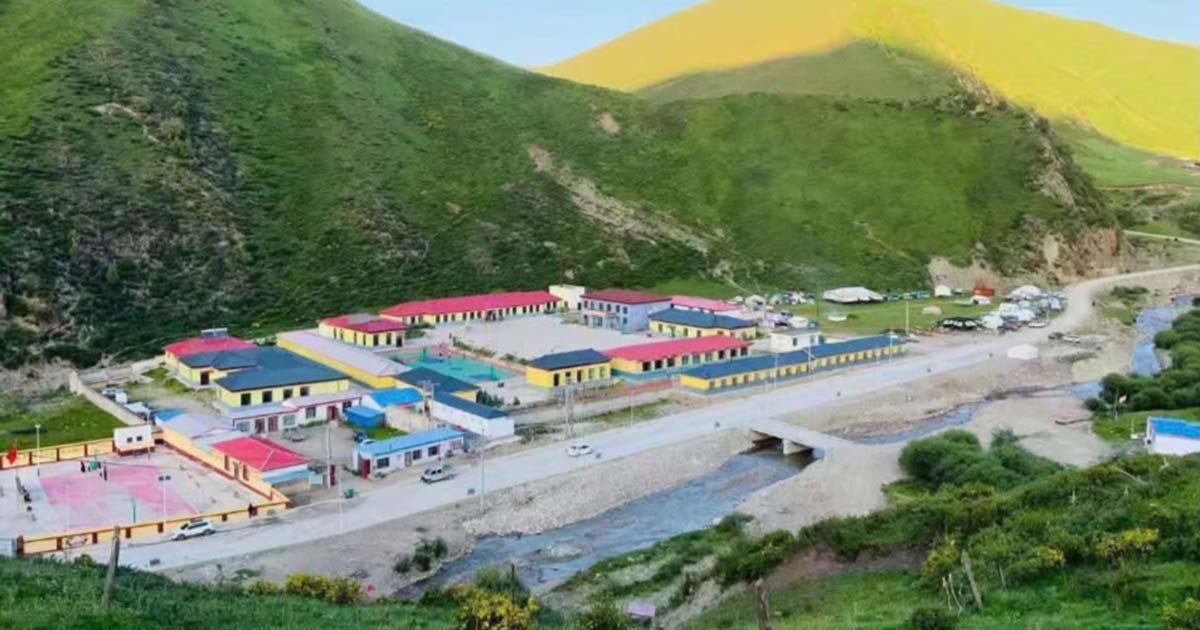
Between July 2021 and late 2026, state authorities systematically shut down virtually all prominent independent Tibetan schools operating in the Golog region and adjacent prefectures. Following the initial shutdown of Sengdruk Taktse Middle School in July 2021, state authorities expanded their administrative campaign, ordering the closure of multiple private schools across Darlag, Machen, Gade, and Chikdril counties in Golog prefecture. Below is a summary of the school closures during this period:
| School Name | Founding / Background | Target Demographics & Focus | Closure Date | Official / State Justification |
|---|---|---|---|---|
| Sengdruk Taktse Middle School | Private educational school in Golog Prefecture | Local Tibetan youth; high-level Tibetan language and cultural curriculum | July 2021 | Non-compliance with state-standardized educational mandates |
| Regional Private Community Schools (seven schools) | Private and community-funded schools across Darlag, Machen, Gade, and Chikdril counties | Pastoral Tibetan youth; localized mother-tongue and cultural education | Post-July 2021 | Systematic centralization of regional educational facilities |
| Jigme Gyaltsen Nationalities Vocational School (Ragya Gangjong Sherig Norbu Lobling) | Founded in August 1994 by monk educator Ragya Jigme Gyaltsen in Machen County | Enrolled 1,000+ lay and monastic students; integrated traditional Tibetan studies, modern sciences, and economic vocational training | July 12, 2024 | Non-compliance with “vocational school standards” and provincial party policies |
| Dorje Ten National Vocational and Technical School | Private vocational school | Local Tibetan youth; focus on vocational training, technical skills, and language | December 2025 | Failure to conform to state vocational centralization; principal detained |
| Hungkar Dorje Vocational High School | Founded in 2008 in Golog Prefecture | Local Tibetan students; focus on Tibetan language, cultural preservation, and vocational technical skills | June 24, 2026 | Administrative non-compliance with national educational standardization |
These forced closures eliminate non-state educational options, forcing Tibetan children directly into state-run boarding institutions.
The closing of private Tibetan schools operates in tandem with centralized compulsory state-run residential boarding schools. By closing local options, the state forces parents to send their children into government institutions designed to isolate youth from their cultural and familial environments.
Central to this state apparatus is the implementation of “Enclave” (Feidi) educational facilities. These are large-scale, state-administered residential complexes constructed far outside student home prefectures like:
- Golog Xining National Middle School: Located in Xining City, over 300 miles from Golog prefecture, this facility houses thousands of pastoral Tibetan children removed from their native communities in Golog.
- Golog Haidong Middle School: Opened in September 2026 in Tsoshar (Haidong) prefecture, about 380 miles from Golog prefecture, this Shanghai-assisted boarding complex enrolled approximately 1,200 Tibetan pastoral students from Golog, staffed primarily by Han Chinese administrative and instructional personnel focused on enforcing Chinese national identity.
While state propaganda frames these centralized institutions as investments under “rural revitalization” and “educational equity”, citing the resolution of local school overcrowding, elimination of unsafe structures, and overcoming pastoral teacher shortages, their operational reality represents a system of forced socio-cultural separation. UN human rights experts issued formal warnings in a 2023 joint communication highlighting that over one million Tibetan children have been coerced into state-run residential boarding school designed to systematically sever familial connections, erode Tibetan language fluency, and indoctrinate the students through a politicized curriculum.
The state-enforced closure of private Tibetan schools combined with the mandatory imposition of Chinese language instruction violates both international human rights conventions ratified by the People’s Republic of China (PRC) and statutory protections explicitly recognized within the PRC’s domestic legal framework.
The PRC is a state party to multiple international human rights treaties, creating binding international legal obligations:
Convention on the Rights of the Child (CRC)
- Article 20: Mandates special protection and assistance for children deprived of family environments, requiring continuity in a child’s ethnic, religious, cultural, and linguistic upbringing. The forced closure of the Golog Tadra Orphan School and transfer of its 300+ residents into state facilities directly breaches these obligations.
- Article 29: Mandates that the education of the child shall be directed to the development of respect for the child’s cultural identity, language, and values. The forced closure of schools for teaching in Tibetan directly breaches this article.
- Article 30: Expressly protects the right of children belonging to ethnic, religious, or linguistic minorities to enjoy their culture and use their own language. The elimination of mother-tongue schooling violates this protection.
- Forced Socio-Cultural Separation: As documented in the 2023 UN Special Rapporteurs’ joint communication, the compulsory transfer of Tibetan youth to distant residential facilities (over 300 miles) constitutes systematic forced socio-cultural separation, violating the core best-interests-of-the-child principle enshrined in the CRC.
International Covenant on Economic, Social and Cultural Rights (ICESCR)
- Article 13: Guarantees the liberty of individuals and bodies to establish and direct independent educational institutions. The systematic closure of community-funded facilities like Jasag Village School and private vocational colleges violates this statutory guarantee.
Conventions on Elimination of All Forms of Discrimination Against Women (CEDAW)
- The forced dissolution of institutions dedicated to female education, such as the Ragya Grassland Girls’ School, violates obligations under Convention on the Elimination of All Forms of Discrimination against Women (CEDAW) and International Convention on the Elimination of All Forms of Racial Discrimination (ICERD) to eliminate gender and racial discrimination, denying Tibetan pastoral girls accessible education that respects their socio-cultural context.
Additionally, current educational policies directly contradict the PRC’s own constitutional and statutory legal frameworks:
- Constitution of the People’s Republic of China (Article 4): guarantees that “all nationalities have the freedom to use and develop their spoken and written languages.” Municipal enforcement orders prohibiting schools from utilizing Tibetan language directly contravene this constitutional guarantee.
- Regional Ethnic Autonomy Law (REAL) (Article 37): Explicitly stipulates that schools and educational institutions predominantly serving ethnic minority students “shall, where conditions permit, use textbooks in their own languages and use their languages as the media of instruction.” The forced closure of community schools that successfully operated in the Tibetan language for decades demonstrates direct state contravention of this statutory mandate.
- Statutory Language Revisions (2025/2026): By revising the Law on the Standard Spoken and Written Chinese Language to eliminate minority language exceptions, the state executed a statutory disenfranchisement that bypasses constitutional guarantees.
- Law on Promoting Ethnic Unity and Progress (effective July 1, 2026): This new fundamental law on ethnic affairs further entrenches the contradiction by elevating “forging a strong sense of community for the Chinese nation” as the overarching legal principle. While it formally claims to “respect and safeguard” the right to study and use ethnic minority languages, its core provisions prioritize the nationwide promotion and primacy of standard spoken and written Chinese (Putonghua) in education, require patriotic and “shared spiritual homeland” education that subordinates minority linguistic and cultural distinctiveness in ways that facilitate the closure of independent Tibetan-medium community schools. In practice, the law provides a statutory vehicle for policies that treat Tibetan-language instruction as incompatible with China’s national unity, thereby overriding the more specific protections in the constitution and REAL.
In conclusion, Tibetan children’s right to education should not be conditioned on the rejection of their cultural identity. The systematic closure of private schools, the eradication of Tibetan language instruction, and the forced relocation of children into state-run boarding schools represent a coordinated assault on Tibetan identity.
The International Campaign for Tibet (ICT) continues to urge the United Nations (UN), the UN Human Rights Council, governments, and global civil society to call on the Chinese government to uphold its legal obligations and guarantee that Tibetan children can receive an education without being forced to abandon their native language, cultural heritage, and identity.