Updated: October 27, 2026
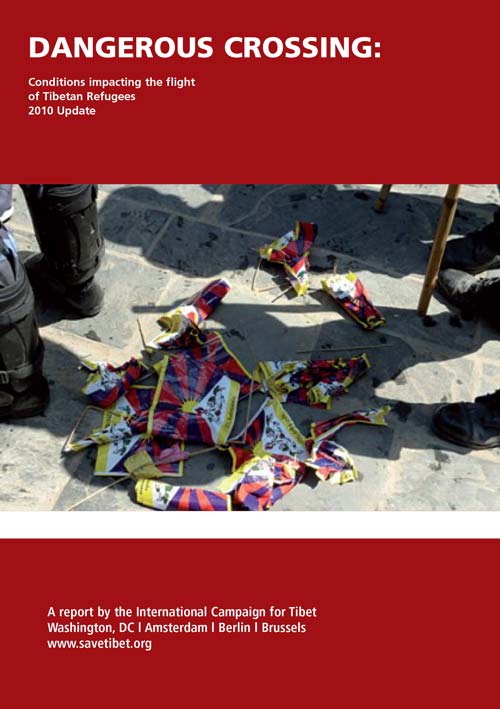
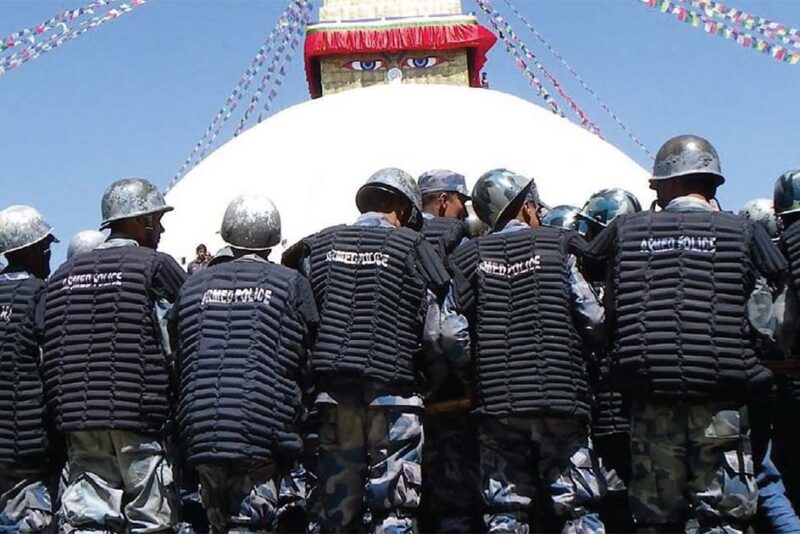
A new ICT report released on June 20, UN World Refugee Day, documents dangers for Tibetan refugees transiting to Nepal and for Nepal’s long-staying Tibetan refugee community. The report attributes these dangers to inadequate protections provided to Tibetans by the UN High Commissioner for Refugees and the government of Nepal, and to significant pressure from Nepal’s northern neighbor, the People’s Republic of China, to comply with its directives on the treatment of Tibetan refugees and their activities in Nepal. ”Dangerous Crossing: Conditions Impacting the Flight of Tibetan Refugees,” an annual report, covers developments affecting Tibetan refugees in 2010.
Between 2,000 and 3,000 Tibetans make the dangerous crossing through the Himalayas via Nepal to India each year, seeking refuge after repression in Tibet, or simply to be in the presence of the Dalai Lama. Often novice monks and nuns are seeking a religious education that is not possible in Tibet due to the restrictions imposed by the Chinese state, or hopeful parents are sending their children to study in Tibetan exile schools, feeling that it is their only chance for a reasonable education. Others leave because they have been relocated from their land to make way for development projects such as the Golmud-Lhasa railway or a new mine, or as a result of intensified urbanization in Tibetan areas. Some of the reasons for their departure are explored in this report, based on field research in Nepal and India and monitoring of the socio-economic and political situation in Tibetan areas of the People’s Republic of China.